

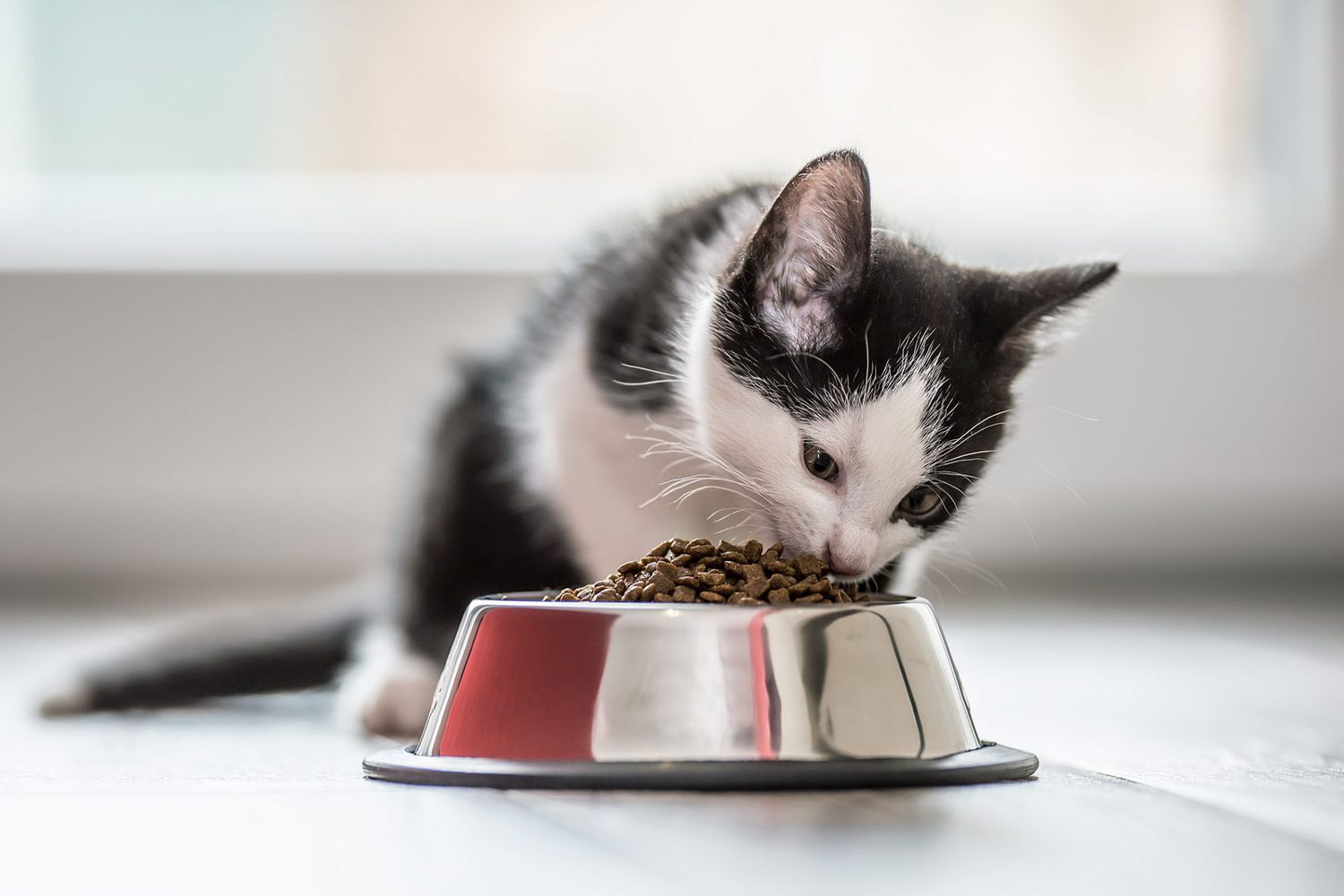
Feeding kittens properly is crucial because it directly impacts their growth, health, and overall health and happiness. During their formative months, kittens need specific nutrients for the complete development of bones, tissues, organs, and immune systems.
A balanced diet supports their energy levels, cognitive development, and helps prevent health issues. Right nutrition also fosters a healthy coat, strong teeth, and optimal weight. Ensuring kittens receive appropriate, high-quality food sets the foundation for healthy adult life, promoting vitality and reducing the risk of illnesses related to poor nutrition.
Nevertheless, you should still consider being prepared with pet health insurance. The best pet insurance covers much of a feline’s testing and treatment costs during accidental injuries, allergies, specific illnesses, dental conditions, medical emergencies, and much more, which is why you must contemplate purchasing a policy.
Meanwhile, read this article to learn standard food options for kittens.
Kitten food options
Feeding young kittens nutrient-rich food is crucial for their growth and development. Some food options for young kittens you can consider are mentioned below.
Mother’s milk/Kitten Formula (0-4 weeks)
Ideally, kittens should receive their mother’s milk during this period, as it provides essential nutrients and antibodies. If the mother is absent, talk to a vet for suitable milk replacers.
Commercial kitten milk replacers are available and should be used if the mother’s milk is unavailable. Follow the package instructions for mixing and feeding. Seeking vet advice would be the ideal thing to do.
Wet food (4-8 weeks)
As kittens transition to solid food, start offering wet kitten food. Opt for high-quality, age-appropriate kitten canned food with meat as the primary ingredient. It should be easily digestible and provide essential nutrients.
Dry food (8-12 weeks)
Introduce dry kitten food gradually, ensuring it’s formulated for kittens. Look for brands with balanced nutrition for their age and size.
Scheduled feedings
Establish a feeding schedule, offering meals several times a day. Kittens have small stomachs, so frequent, portioned meals are essential.
Gradual transition
When switching to new foods, do so gradually to avoid digestive upset. Mix a small amount of the new food with the old and gradually increase the proportion of the new food over a week or two.
Combined Wet and Dry Food
As kittens grow, a combination of wet and dry kitten food is often recommended to ensure they receive a variety of textures and nutrients. Ensure fresh water is always available.
Kitten treats (optional)
You can offer kitten-specific treats occasionally for training or as rewards. Ensure they are appropriate for their age and don’t overindulge.
Follow the recommended feeding guidelines on the food packaging; however, it is best to consult your vet for personalized advice. Monitor your kitten’s weight and health to ensure they are growing appropriately.
Providing proper nutrition and care during these formative months is essential to support their healthy development into adult cats. Hygiene and cleanliness are paramount for young kittens’ health. Their immune systems are vulnerable, making them susceptible to infections.
Maintaining a clean living environment, including litter boxes and bedding, helps prevent diseases. Regular grooming, especially for orphaned kittens, ensures their skin and fur remain free from dirt and parasites.
Proper sanitation of feeding equipment and hands before handling kittens minimizes the risk of transferring harmful bacteria. Maintaining hygiene safeguards their well-being, reducing the likelihood of illnesses and ensuring a comfortable, healthy start in life.
Give the best care to the kittens; however, consider buying pet health insurance so that unexpected vet costs are more manageable. Contemplate purchasing the best pet insurance so your kittens have access to comprehensive medical care with minor economic stress.
